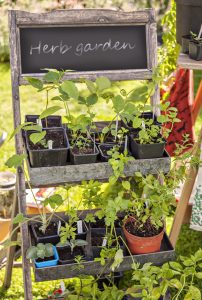
Container gardening for beginners offers the freedom to grow food, flowers, and foliage even in the smallest spaces, turning patios, balconies, window sills, and entryways into productive gardens. With containers, there is no need for digging garden beds or battling poor soil conditions because every element can be controlled and customized. Beginners find that container gardening requires less maintenance, provides faster results, and makes it easy to change layouts as plants grow. By following a clear set of principles that simplify setup, watering, feeding, and design, anyone can nurture thriving plants and gain confidence while enjoying the beauty of nature every day.
1 – Choosing the Right Containers
Container gardening for beginners becomes more successful when containers are matched to plant needs. The size of each pot influences how much water it holds and how deeply roots can grow. Vegetables, tomatoes, peppers, and larger flowers do best in containers at least a foot deep, while herbs and compact plants thrive in smaller pots. Plastic containers are lightweight and retain moisture, clay pots provide better airflow but dry out faster, and fabric grow bags allow exceptional root expansion that prevents plants from being root-bound. Handles and lightweight designs make repositioning easier as sunlight changes throughout the day.
Drainage is essential. Water must be able to exit through holes at the bottom of the container, otherwise roots may suffocate in soggy soil. Elevating pots slightly on risers improves airflow beneath them and helps water flow freely. Self-watering pots can reduce watering mistakes by storing water below the soil and wicking it upward as needed. With the right container, plants start strong and stay strong.
2 – Picking Plants That Suit Your Space
Success in container gardening for beginners improves when sunlight conditions match plant requirements. Observe your space for several days and note how many hours of sun it receives. Sunny balconies or patios are ideal for tomatoes, peppers, cucumbers, and strawberries, all of which need at least six hours of light daily. Shadier areas support leafy vegetables like lettuce and spinach, as well as herbs such as mint, parsley, and cilantro. Shade-loving ornamentals like ferns, begonias, and caladium can fill darker corners with color and texture.
Choosing plants you personally enjoy makes gardening more meaningful. Compact or dwarf varieties labeled as “patio,” “container,” or “bush” produce full harvests without sprawling. If local summers are hot, select heat-tolerant species or native plants that have already adapted to your regional climate. Matching plant choices to your environment reduces stress and increases success.
3 – Using the Best Potting Soil
A high-quality potting mix is vital for container gardening for beginners because garden soil is too heavy and can harbor weeds or pests. Potting mixes are specifically blended to be light, airy, and fast-draining, allowing roots to breathe. Many include peat or coco coir to help retain moisture, while perlite, pumice, or vermiculite keeps the texture open so excess water flows away easily. Good soil supports root health and nutrient absorption.
Potting soil should be refreshed every planting season because roots gradually deplete nutrients. Mixing in compost improves organic content and adds beneficial microbes to the growing environment. A slow-release fertilizer incorporated before planting provides ongoing nutrition. Fresh, fluffy soil encourages robust growth and better yields from the very start.
4 – Watering Wisely and Consistently
Understanding moisture levels is a key part of container gardening for beginners because pots dry faster than ground soil. Pressing a finger one to two inches deep into the soil helps determine when watering is needed; if it feels dry, it is time to water. Deep watering until you see liquid exit the drainage holes ensures that the entire root zone receives hydration. Morning watering helps plants absorb moisture before midday heat evaporates it.
Environmental factors influence water needs. Windy balconies cause faster drying, smaller pots drain more frequently, and dark-colored containers heat up quickly under midday sun. Mulch protects soil from temperature swings and retains moisture longer. Creating a consistent watering routine prevents stress and supports lush, steady growth.
5 – Feeding Plants for Strong Growth
Providing ongoing nutrients supports container gardening for beginners because water gradually washes minerals out of potting mixes. Slow-release fertilizers supply a steady stream of nourishment over weeks or months. Liquid fertilizers can be applied more frequently to meet the needs of rapidly growing crops. Organic options, including fish-based solutions and compost teas, support microbial life in the soil.
However, overfeeding can harm roots or encourage too much leafy growth instead of flowers or fruit. Following product instructions and monitoring plant response helps maintain the right balance. Healthy nutrition results in vibrant foliage, strong stems, and frequent harvests throughout the season.
6 – Positioning Containers for Light and Airflow
A good layout supports container gardening for beginners by giving plants access to airflow and light. Placing pots in full sun or rotating them toward the brightest exposure prevents leaning and encourages strong, even development. Tall or climbing plants benefit from support structures like stakes or small trellises that guide growth upward.
Healthy air circulation reduces the risk of fungal issues. Keeping space between pots prevents leaves from staying wet for extended periods. If winds are strong, grouping containers together or placing heavier pots at the edges protects delicate plants inside the arrangement. Adjusting placement as seasons change ensures ongoing stability and thriving plants.
7 – Managing Pests and Problems Early
Regular observation protects container gardening for beginners from small issues becoming big setbacks. Inspecting leaves, stems, and the surface of soil once a week helps detect insect activity early. Removing yellowed or damaged leaves improves airflow and reduces hiding spots for pests. Strong, evenly watered plants naturally resist many problems.
If insects appear, simple fixes often work best. A gentle spray of water can wash away pests like aphids. Plant-safe soap solutions provide additional protection without harming beneficial insects. Sticky traps help capture flying pests before they settle on foliage. Acting early keeps plants healthy and enjoyable.
8 – Choosing the Right Location for Seasonal Changes
Flexibility is one of the biggest advantages of container gardening for beginners because pots can move as the weather shifts. In late spring, containers can be placed outdoors to soak up warmth and sun. During extremely hot periods, shade cloth or moving containers to cooler spots prevents scorching. When temperatures drop, placing pots against the warmth of the house or inside a sheltered area helps protect them.
Watching forecasts allows quick action before storms or cold snaps. Lightweight pots can be carried indoors easily, and wheeled bases make larger containers mobile. Seasonal adaptability ensures harvests last longer and plants remain healthy through changing conditions.
9 – Designing Your Space for Beauty and Function
Creativity thrives in container gardening for beginners because a container garden can serve both decorative and practical purposes. Plants of different heights, shapes, and textures create visually pleasing displays. Tall plants at the back paired with trailing plants around the edges add depth and dimension. Coordinating container colors brings unity to the design.
Functional layout also matters. Leaving clear paths makes watering and harvesting easier. Planning for mature plant size prevents overcrowding later in the season. Whether arranged in neat grids or artistic clusters, garden design can reflect personal style while making maintenance efficient.
10 – Enjoying the Harvest and the Learning Process
Joy is central to container gardening for beginners because each season brings growth, discovery, and satisfaction. Picking your own tomatoes, clipping fresh herbs, or watching beautiful blooms unfold produces pride that motivates continued success. Even when a plant fails, the lesson gained improves future choices and techniques.
Keeping notes helps track which varieties excel and which locations work best. Celebrating progress maintains excitement and builds gardening skills over time. The experience of caring for living plants connects you with nature, reduces stress, and enriches everyday life with beauty and reward.
Caring for Plants Between Seasons
Managing containers during off-peak times keeps the garden ready for next year’s planting. Once harvests finish, removing spent roots and refreshing the soil helps prevent pests and diseases from lingering. Cleaning pots thoroughly and checking for cracks or damaged components ensures everything is safe to reuse.
Storing containers in sheltered places protects them from freezing temperatures and prolongs their lifespan. Planning ahead for the next planting season gives gardeners the chance to explore new varieties or layouts. Every season builds on the last, improving soil quality, design, and results.
Troubleshooting Common Challenges
Adjusting to unexpected issues maintains smooth gardening practices. Overwatering can sometimes mimic the symptoms of plant thirst, and pests may appear despite earlier precautions. Learning to observe soil moisture, leaf color changes, or small insects gives gardeners the insight needed to support plants quickly.
Resources such as local extension services, plant groups, and gardening guides can help provide additional solutions. With steady attention, challenges become valuable learning experiences that strengthen future gardening confidence.
References
[1] https://extension.psu.edu/container-gardening
[2] https://hgic.clemson.edu/factsheet/container-gardening
[3] https://extension.umn.edu/flowers/growing-flowers-containers