Chinese Money Plant is more than just a trendy windowsill companion; it is a symbol of prosperity, an easy-care houseplant, and a botanical delight that brings personality to any living space. From its round coin-like leaves to its lively growth pattern, this plant holds a timeless appeal for beginners and seasoned indoor gardeners alike. With thoughtful care and a little curiosity, you can help this plant flourish while enjoying an uplifting touch of nature at home.
Known scientifically as Pilea peperomioides, the Chinese Money Plant continues to win hearts around the world. Its humble origin story paired with its modern aesthetic ensures it remains a favorite among those who want plants that are both forgiving and full of character. This article explores seven key ways to nurture this beauty as part of a thriving indoor garden, followed by additional sections that expand your knowledge, so you can fully experience its charm.
1 – History And Symbolism Of The Chinese Money Plant
Chinese Money Plant stands at the beginning of a chain of fascinating cultural beliefs. Originating in the Yunnan and Sichuan provinces of China, legends speak of travelers gifting it as a token of friendship and monetary fortune. Over time, this symbolic meaning gained traction in Europe and eventually global indoor gardening communities. Today, the plant is still associated with wealth, new beginnings, and generosity.
Although deeply connected with prosperity, its symbolism stretches further into themes of growth and renewal. The modern gifting tradition encourages plant lovers to share cuttings with friends and family, reinforcing a cycle of abundance. This belief, combined with its charming appearance, has helped ensure that the plant remains widely beloved.
2 – How To Identify A Healthy Chinese Money Plant
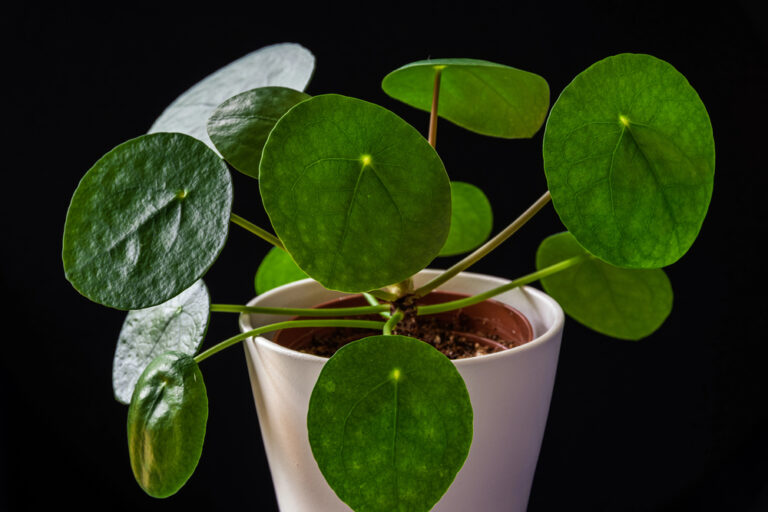
A healthy specimen features round leaves shaped like coins, elevated on thin stems that radiate like spokes from a central crown. These leaves should be smooth, thick, and vibrantly colored. Stems stand upright when the plant receives proper light, and the overall shape resembles a living fountain of green coins.
Signs of poor health are usually easy to spot. Drooping foliage often indicates a lack of sunlight or water imbalance, while yellowing leaves may suggest overwatering or nutrient deficiency. Rot at the base can occur when roots sit in waterlogged soil. Attentive care and quick response allow most problems to be corrected before lasting damage occurs.
3 – Light Requirements For Steady Growth
To thrive, the plant appreciates bright, indirect light. Since Chinese Money Plant prefers gentle illumination, placing it near a window with filtered light encourages steady leaf development and strong stem structure. Rotating the pot every few weeks helps maintain an evenly balanced shape.
Harsh direct sun can scorch the leaves, especially during hot summer afternoons. Rooms with east- or north-facing windows are often ideal. When a plant receives too little light, stems stretch toward the nearest source, creating a floppy appearance that lacks symmetry. Supplemental lighting may help in dim environments such as home offices or basements.
4 – Watering The Chinese Money Plant Correctly
Watering techniques can significantly affect overall health. Aim to water thoroughly, then allow the top layer of soil to dry before watering again. This cycle replicates natural conditions from its mountainous origin where periodic rainfall is followed by drying periods. It also prevents harmful root rot.
Overwatering ranks among the most common issues faced by indoor gardeners. Saucers that trap excess water beneath pots can suffocate roots, reducing oxygen levels. Choosing a pot with drainage holes and sticking to a schedule based on the soil’s dryness ensures safe hydration. Humidity is usually not a concern, making this plant excellent for many household environments.
5 – Soil And Repotting For Continued Success
Chinese Money Plant enjoys airy, well-draining soil. A blend designed for indoor plants with added perlite or pumice allows roots to breathe while maintaining moisture evenly. Healthy roots support faster leaf production and help the plant anchor itself in a pleasing upright posture.
Repotting every one to two years promotes long-term vitality. Signs that suggest repotting include roots emerging from drainage holes, slow growth, or soil that compacts easily. When upgrading the container, choose only one size larger to prevent the soil from retaining too much water around fragile roots. Transplanting is best done in spring when new growth naturally accelerates.
6 – Propagating New Plants From A Single Parent
Propagation represents one of the plant’s most exciting features. Small baby plants, known as pups, naturally sprout from the base of a mature plant. These offsets can be gently separated using clean tools before transplanting them into their new home. This reward makes the plant popular among gardeners who love sharing greenery.
Another propagation method uses leaf-stem cuttings. While it requires more patience, rooting cuttings in water or lightly moist soil can eventually produce new plants. Sharing propagated plants reinforces the tradition of gifting “money” to promote prosperity. Growing the family tree is a joyful activity that also strengthens indoor plant-care confidence.
7 – Troubleshooting Common Chinese Money Plant Problems
Many household challenges can affect Chinese Money Plant, though most are easy to resolve. Curling leaves may indicate low humidity or pests such as spider mites. Wiping leaves with damp cloths helps keep the surface clean and deters insects from laying eggs. Neem oil and insecticidal soap offer natural solutions when intervention is needed.
Environmental stress often shows through drooping stems or brown patches. Monitoring temperature and avoiding drafty windows or proximity to heaters can reduce shock. The plant communicates discomfort quickly, allowing you to adjust care habits early. Patience, observation, and consistency are the keys to restoring beauty.
Fertilization Tips For Long-Term Vitality
Adding gentle fertilizer once a month during spring and summer encourages lush foliage and strong stems. Overfeeding can cause chemical salt buildup at the surface of the soil, limiting nutrient uptake. Flushing soil with fresh water occasionally prevents potential harm.
During cooler months with slower growth, the plant’s nutrient demand naturally declines. Reducing supplementation during this time supports its natural rhythm while preventing overstimulation. Watching growth patterns helps you understand when extra nutrition is truly beneficial.
Where To Place The Plant Indoors
Thoughtful placement can enhance the experience of owning this plant. Setting it on tabletops allows its round leaves to be admired from all sides while keeping it away from pets that may nibble. Plant stands elevate it closer to light sources, boosting overall shape and structure.
Homes with modern interior design often showcase the plant as a living sculpture. Whether displayed in a hanging planter or positioned near artistic décor, its minimalist beauty blends effortlessly with many aesthetics. Clean lines and symmetrical foliage make it a natural focal point.
Seasonal Growth Patterns And What To Expect
As seasons shift, growth habits change. In spring, new leaves emerge frequently, each larger than the last. Summer usually brings the fastest growth, making this an ideal time to propagate or repot. By autumn, development slows and the plant conserves energy.
Winter dormancy isn’t dramatic but still noticeable. Temperatures below comfort range can temporarily stunt growth. Adjusting light and watering habits during colder months ensures continued resilience until spring returns. Recognizing these seasonal rhythms helps you care with confidence.
Understanding Variations Of Pilea Peperomioides
This beloved plant has inspired several attractive cultivars. Some feature variegated leaves with creamy patterns, while others develop deeper green tones. Collectors appreciate the opportunity to display subtle differences between varieties while maintaining overall ease of care.
Variations usually carry the same care requirements as the classic form, making them accessible additions to any home. Experimenting with different versions broadens your indoor gardening palette while remaining true to your favorite plant’s personality.
Decorating With The Chinese Money Plant Creatively
Creative styling elevates the joy of plant ownership. Selecting pots with complementary colors emphasizes the natural coin-shape of the leaves. Grouping the Chinese Money Plant with trailing or spiky plants creates striking visual contrast in a larger arrangement. Elevation differences between pots add more depth to your décor.
Plant owners often find that the simple presence of greenery encourages relaxation and improves mood. Integrating the plant into reading corners, workspaces, or dining areas makes everyday life a little more serene. These design ideas celebrate both aesthetic appeal and emotional wellness.
Sustainable Practices For Eco-Friendly Gardening
Indoor gardening can promote sustainability when done thoughtfully. Repurposing containers and using organic soil blends reduce resource waste while supporting the broader environment. Propagation minimizes the need to purchase new plants and allows each household to nurture small ecosystems.
Choosing plant-safe pest control and adopting mindful watering habits also contributes to eco-friendly living. Small acts of stewardship inside the home mirror larger goals of preserving natural landscapes outdoors. Through caring for one plant, you grow your connection to nature.
References (3 clickable academic-style sources)