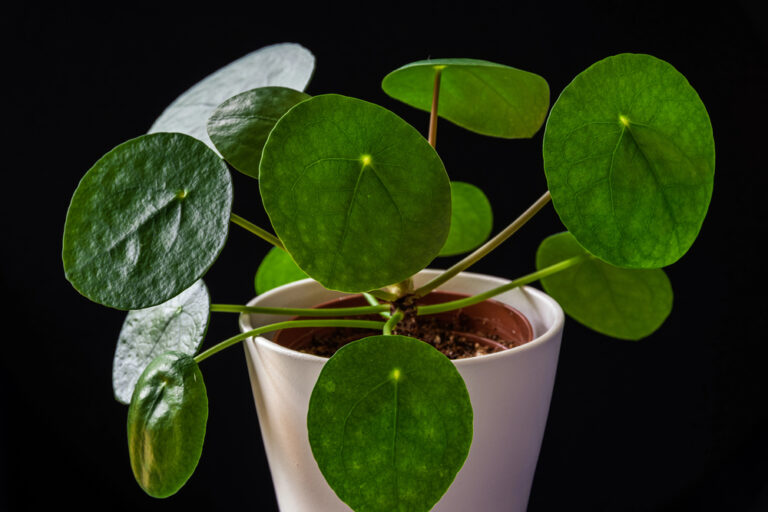
Shade loving plants thrive where sunlight fades, offering lush, resilient beauty to the dim corners of gardens, patios, and indoor spaces. They flourish beneath tall trees, alongside north-facing walls, and inside homes where only soft light filters through windows. The ability of shade loving plants to transform dark spots into vibrant greenery makes them essential for gardeners looking to maximize every inch of space.
Some gardens receive only partial sunlight or almost none at all, but that does not mean they must lack character or color. Instead, shade loving plants encourage creativity, giving gardeners the opportunity to explore textures, leaf shapes, height varieties, and surprising floral displays. With the right selections and care, shaded areas can become peaceful retreats filled with life and personality.
Success with shade loving plants begins by understanding the difference between full shade, partial shade, and dappled shade. Each plant has its own requirements for moisture, soil, and protection from heat. By selecting the nine best options and learning how to support them, anyone can build a refreshing environment that stays beautiful throughout the seasons.
1 – Lush Ferns for Woodland Charm
Shade loving plants like ferns immediately bring elegance to a garden. Ferns prefer cool, moist ground and naturally inhabit forest floors where filtered light dominates their days. Their feather-like fronds add soft movement in the breeze, creating a calming visual experience in outdoor and indoor spaces alike.
They thrive in containers, hanging baskets, and garden beds, making them adaptable to many design styles. Regular watering and rich compost help maintain their vibrant green color. Although they rarely produce flowers, their texture alone can create a stunning shaded retreat.
2 – Hostas with Bold Leaves
Gardens filled with hostas become lush and welcoming thanks to large, beautifully patterned leaves. These shade loving plants tolerate both partial and deep shade, making them extremely versatile in landscaping around trees and along pathways.
Their foliage includes hundreds of varieties featuring greens, yellows, blues, and striking variegated patterns. Hostas require little maintenance aside from occasional watering and slug protection. During summer, tall flower spikes appear, offering additional height and subtle beauty.
3 – Tranquil Peace Lilies Indoors
As shade loving plants, peace lilies thrive inside homes where direct light is limited. Their glossy green foliage and white, elegant blooms bring a natural freshness to desks, entryways, and quiet corners.
Peace lilies clean air and tolerate low humidity, though they still appreciate weekly watering. When their leaves droop slightly, it serves as a helpful reminder for when they need a drink. With minimal effort, they reward gardeners with repeated blooms throughout the year.
4 – Heuchera for Colorful Ground-Cover Displays
Heuchera, also known as coral bells, gives shaded gardens exciting bursts of color with foliage that ranges from ruby to lime to deep purple. These remarkable shade loving plants combine both beauty and resilience, performing well in partial shade with consistent watering.
Heuchera also attracts pollinators when tiny bell-shaped flowers emerge in spring and summer. They pair wonderfully with hostas, offering contrast in both height and leaf texture. Their ability to spread gently makes them ideal for brightening large shaded beds.
5 – Caladium Leaves Like Painted Artwork
Many shade loving plants offer interesting foliage, but caladium leaves stand out with their brilliant color patterns. Shades of pink, red, white, and green swirl together, creating a living canvas of garden art. Caladiums thrive in warm climates and benefit from rich, well-drained soil.
Because their leaves are delicate, caladiums should be protected from harsh winds or heavy foot traffic. They excel in decorative pots on covered patios, providing bold visual appeal where flowers might refuse to bloom.
6 – Astilbe Plumes for Soft Summer Blooms
Astilbe brings height and elegance to shady spaces with soft, plume-like flowers in pink, red, purple, and white. These shade loving plants love moisture and respond well to mulching, which helps retain soil hydration around their roots.
Their blooms create dynamic movement and texture in gardens, especially when planted in groups. Astilbe combines beautifully with ferns, enhancing woodland-style landscapes that display layered greenery throughout the season.
7 – Bleeding Hearts with Romantic Style
Bleeding hearts produce iconic, heart-shaped blooms that appear to dangle from arched stems. These shade loving plants perform best in cool, shaded areas where their leaves remain lush and hydrated. Their spring blossoms contribute a whimsical theme to shaded garden sections.
Their foliage may fade later in the summer if temperatures rise, but their seasonal charm makes them worth planting. Companion plants such as ferns help fill any temporary gaps during hot months, keeping the garden visually cohesive.
8 – Impatiens for Nonstop Color
Impatiens are the perfect shade loving plants for gardeners craving bright pops of color with very little maintenance. Their blooms span nearly every shade of the rainbow and continue from spring until frost when watered regularly.
They perform exceptionally well in hanging baskets, window boxes, and flower borders beneath trees. Gardeners can quickly fill gloomy areas with cheerfulness and use them to transition from sunlit pathways into densely shaded spaces.
9 – Japanese Forest Grass for Soft Movement
Japanese forest grass offers graceful, arching foliage that brings motion and gentle flow to shaded gardens. These shade loving plants grow low to the ground, making them popular for lining walkways and softening hard garden edges.
They prefer moist, fertile soil and reward careful placement with rich golden colors in some varieties. Combined with tall shade lovers, they create visually appealing layers that feel natural, peaceful, and immersive.
Bringing Texture into Shaded Garden Design
Shaded gardens rely heavily on leaf shape and texture rather than bright sunlight-driven blooms. Pairing different shade loving plants allows gardeners to build depth and character where light is minimal. Mixing large-leaf hostas with delicate ferns and colorful heucheras results in a multi-dimensional space that remains interesting throughout the year.
Path curves, stone borders, and ground-cover carpets enhance the experience of wandering through a cool retreat. Visual harmony emerges naturally when each plant contributes unique structure and form. This design approach ensures shade never feels dull or neglected.
Watering and Soil Tips for Long-Term Success
Moisture is crucial because many shade loving plants originate from forest environments. Regular watering keeps leaves rich and vibrant, though avoiding waterlogged soil remains essential. Adding compost or leaf mold improves drainage while still holding moisture where roots need it most.
Mulching prevents evaporation and also keeps weeds from competing for valuable nutrients in low-light zones. With proper soil preparation before planting, shade gardens require far less effort over time. Consistent care from the start creates lasting results.
Seasonal Care and Shade Adjustments
Some shady areas change throughout the year based on the sun’s movement and tree growth. Shade loving plants adapt well, but small adjustments maintain their health. Observing where the sun lands helps with strategic placement that keeps them comfortable in every season.
Dividing perennials like hostas every few years rejuvenates growth. Refreshing mulch each spring supports hydration and protects root structures. Simple routines such as trimming dead foliage keep shaded areas looking tidy and cared for.
How Shade Plants Support the Environment
Shade loving plants contribute their own ecological benefits to gardens. Leafy ground covers prevent soil erosion beneath trees where rain hits hardest. Many varieties also provide safe resting spots for insects, birds, and pollinators that thrive away from intense sunlight.
Indoor shade loving plants improve air quality by filtering dust and toxins. Their ability to transform dark spaces into living, breathing environments improves mood and relaxation, which is why they are common in homes and workplaces alike.