Gardening begins with a tiny seed and a dream of watching new life emerge. With the right guidance, anyone can learn how to germinate seeds effectively, creating a strong foundation for vegetables, flowers, herbs, shrubs, or trees. This article explains the complete germination journey using clear steps so that you can avoid common mistakes and ensure a smooth transformation from dormant seed to thriving plant.
Each seed contains the potential for growth, but it takes specific conditions to unlock that potential. Light, moisture, temperature, airflow, and timing all contribute to how quickly and successfully seeds sprout. When the correct methods are used, the results are healthy seedlings that adapt well to later transplanting and establish strong growth throughout the season.
Choosing Seeds For Your Purpose
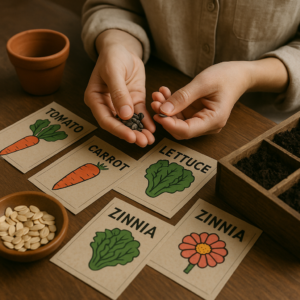
How to germinate seeds begins with selecting varieties that match your environment and goals. Some gardeners grow for food, others for beauty, and many for the joy of nurturing nature. Seed packets list important details such as sunlight needs, sowing depth, germination time, and maturity dates. Paying attention to those elements ensures that your garden aligns with your climate and outdoor space.
Storing seeds correctly before use also maintains viability. Seeds exposed to humidity may sprout prematurely or rot. A cool, dark space keeps them dormant until planting day. If you plan to collect seeds from your own plants, dry and store them properly to preserve quality for the next season.
Preparing Clean Containers And Tools
Experienced gardeners know how to germinate seeds successfully by starting with cleanliness. Any leftover soil in reused trays may carry mold or bacteria that can attack delicate sprouts. Washing trays, pots, and tools with warm soapy water, and letting them dry fully, removes invisible threats that might interfere with germination.
Clean equipment also improves confidence and organization. When your workspace is neat and everything is ready, planting becomes enjoyable rather than rushed or stressful. A tidy approach lowers the chance of contaminating young plants at their most vulnerable stage.
Selecting A Quality Seed-Starting Medium
Many beginners learn how to germinate seeds by switching from heavy garden soil to a seed-starting mix, which is designed for sprouting rather than mature growth. Dense soil prevents air from reaching roots and can hinder emergence. A light mix allows delicate stems to push upward freely.
Soilless blends containing ingredients like coco coir, peat, and perlite protect seedlings from compaction and drowning. They also reduce the risk of pests hiding in natural soils. Giving seeds an ideal base gives them a much stronger start.
Moistening The Growing Medium Properly
Some gardeners wonder how to germinate seeds without overwatering. The answer lies in hydrating the medium before planting so that seeds settle in place without floating or shifting. Moisture should resemble a wrung-out sponge: damp but never dripping.
Bottom watering trays as seedlings emerge helps roots grow downward as they search for water. Proper hydration speeds germination by helping seed coats soften and split, allowing roots to extend into their new environment.
Sowing Seeds At The Right Depth
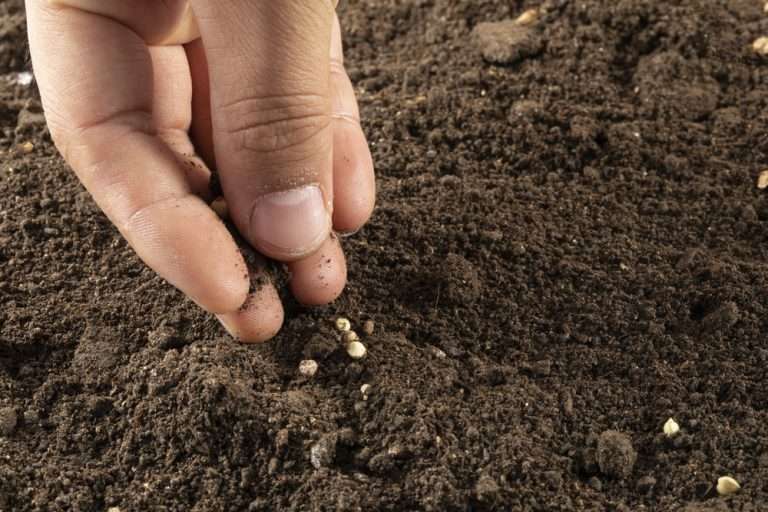
Depth plays a major role in how to germinate seeds correctly, especially for tiny varieties. Each species has its own requirements, often printed on packets. Some seeds need light to germinate, meaning they should be barely covered or simply pressed into the surface. Others need deeper positioning to stay moist and anchored.
Sowing too deep causes slow or failed emergence, while leaving seeds too shallow can expose them to drying or disturbance. Following guidelines gives each seed its best chance of success.
Labeling Everything You Plant
Beginners soon realize how to germinate seeds efficiently by labeling immediately. Seedlings often look identical during early development, making it impossible to distinguish peppers from tomatoes or zinnias from cosmos without clear identification.
Recording the plant name and sowing date also helps track germination times and alerts you if something is delayed. Organized labeling prevents confusion as your trays fill with green sprouts and excitement builds.
Creating The Right Humidity Level
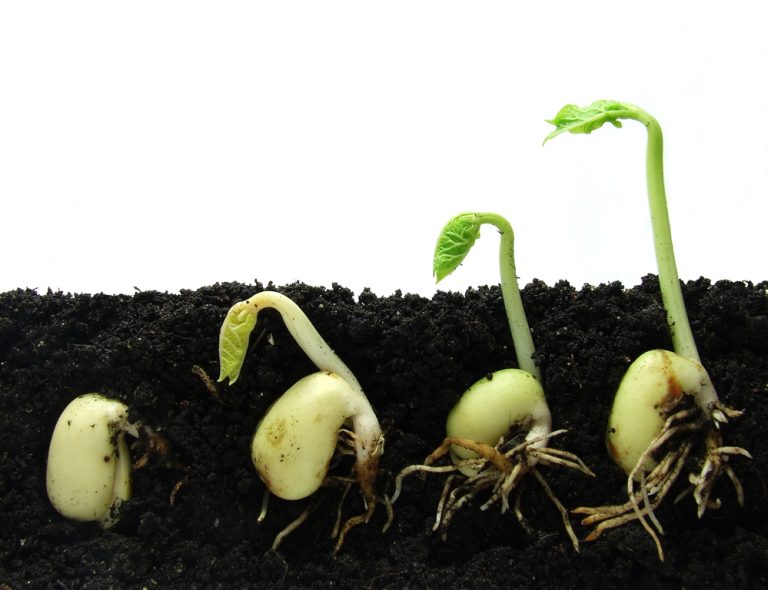
Maintaining humidity is part of how to germinate seeds more reliably, because moisture around the seed is what triggers the awakening process. Placing a clear dome or plastic covering over trays holds humidity near the soil surface and reduces watering frequency until seedlings emerge.
As soon as sprouts appear, ventilation becomes essential. Opening vents or removing covers gradually introduces oxygen and keeps fungal problems from developing. This slow transition prepares seedlings for the drier air of the outdoors.
Maintaining Warmth For Germination Speed
Gardeners studying how to germinate seeds learn quickly that temperature influences speed. Most seeds sprout fastest around 65°F to 75°F. Heating mats gently warm the soil and create consistent conditions, especially helpful for slow-germinating plants like peppers and eggplants.
Monitoring with a simple thermometer ensures warmth stays stable. If temperatures fluctuate wildly, seeds may pause growth or fail to activate. Even cool-weather crops benefit from moderate warmth during sprouting.
Providing Bright Light Soon After Sprouting
Light becomes essential in how to germinate seeds successfully once the first leaves appear. Without enough light, seedlings stretch, weaken, and fall over. South-facing windows can work, but artificial grow lights provide better consistency and intensity.
Lights should remain close enough to keep seedlings compact but not hot. As stems grow, gradually raising the light encourages upright, steady development. Strong, short seedlings adapt far better to transplanting later on.
Watering Carefully After Emergence
Gardeners improve how to germinate seeds by learning that roots need moisture but also air. Over-watering suffocates roots and leads to damping-off disease. Allowing the top layer to dry slightly before re-watering pushes roots downward, creating a sturdy support system.
Watering from below remains a helpful method even after germination. It prevents splashing soil onto tender stems and supports deeper, healthier root formation.
Encouraging Gentle Air Movement
Good airflow plays a direct role in how to germinate seeds and strengthen them for life outdoors. A small fan set on low creates a soft breeze that encourages thicker stems. Air circulation dries splashed water, reducing mold and other pathogens.
Seedlings grown in still, humid rooms often collapse due to weak stems. Even minimal airflow supports natural plant responses that build resilience as they mature.
Transplanting Seedlings At The Right Moment
When thinking about how to germinate seeds from start to finish, transplanting is the final step before outdoor growth. Seedlings are ready when their first real leaves—called true leaves—have formed. These are different from the initial smooth cotyledons.
Transplanting gently into bigger containers or into the garden gives roots more space to grow. Delaying too long can stunt development, while moving too early may shock the plant. Proper timing results in seedlings that continue growing strongly after leaving their nursery environment.
References
[1] https://www.sciencedirect.com/topics/agricultural-and-biological-sciences/seed-germination
[2] https://www.ncbi.nlm.nih.gov/pmc/articles/PMC6348928/
[3] https://extension.umn.edu/planting-and-growing-guides/starting-seeds-indoors